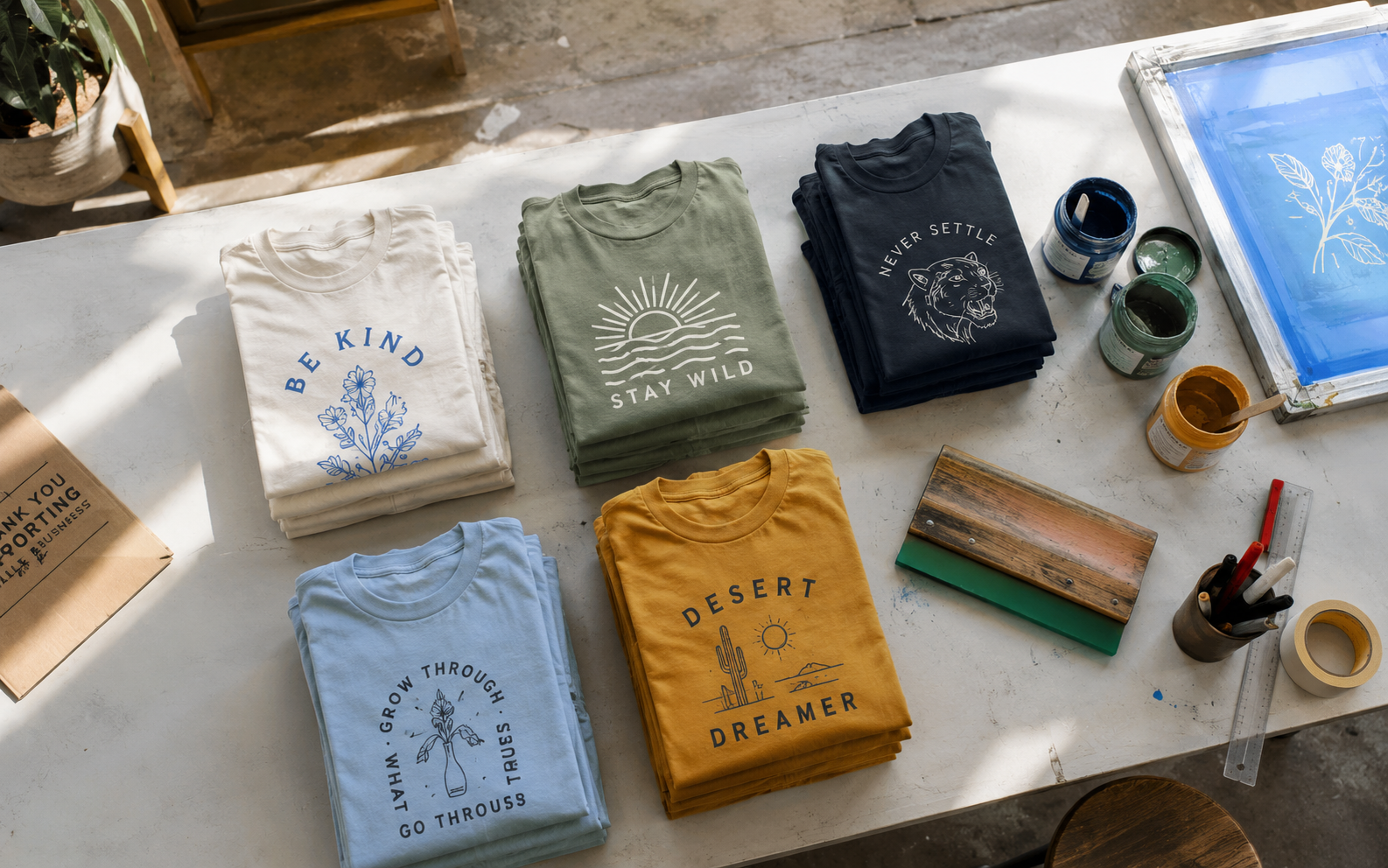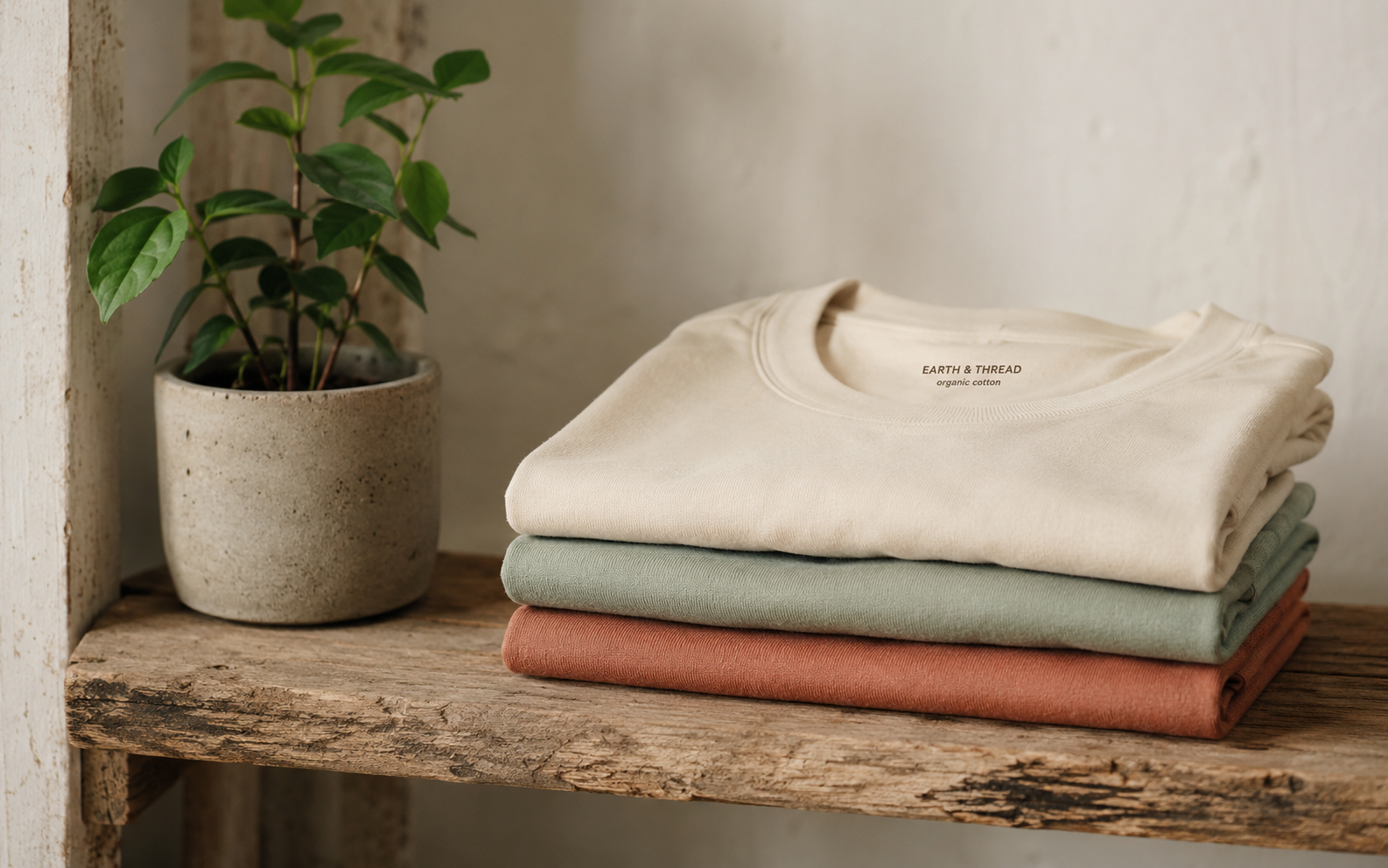
Your t-shirt drawer is your algorithm made physical. Every graphic tee you own is a data point — a record of what you clicked on, what community you belong to, what corner of the internet shaped your taste. In 2026, the graphic tee you choose is as much a product of your feed as it is of your personal style.
This isn't necessarily a bad thing. Algorithms surface niche interests and connect people to brands they'd never have found through traditional retail. The indie screen printer in Portland making tees for a very specific subculture can now reach their exact audience through Instagram and TikTok. The question is whether that algorithmic curation is expanding your taste or narrowing it.
The Feed-to-Wardrobe Pipeline
Pay attention to how you discover graphic tees now versus ten years ago. It used to be record shops, skate stores, market stalls, band merch tables. Now it's targeted ads, influencer posts, and algorithmically curated discovery pages. The discovery mechanism has changed, and it's changed what people buy.
Algorithmic discovery favours visual impact. The tees that perform well on social media are the ones that photograph well, that have bold enough graphics to read in a thumbnail, that trigger an immediate "I need that" response. Subtle designs with fine detail — the kind that look incredible in person but flat on screen — get pushed down the feed. The algorithm rewards loudness, and the market follows.
Gamer Shirts: From Cringe to Culture
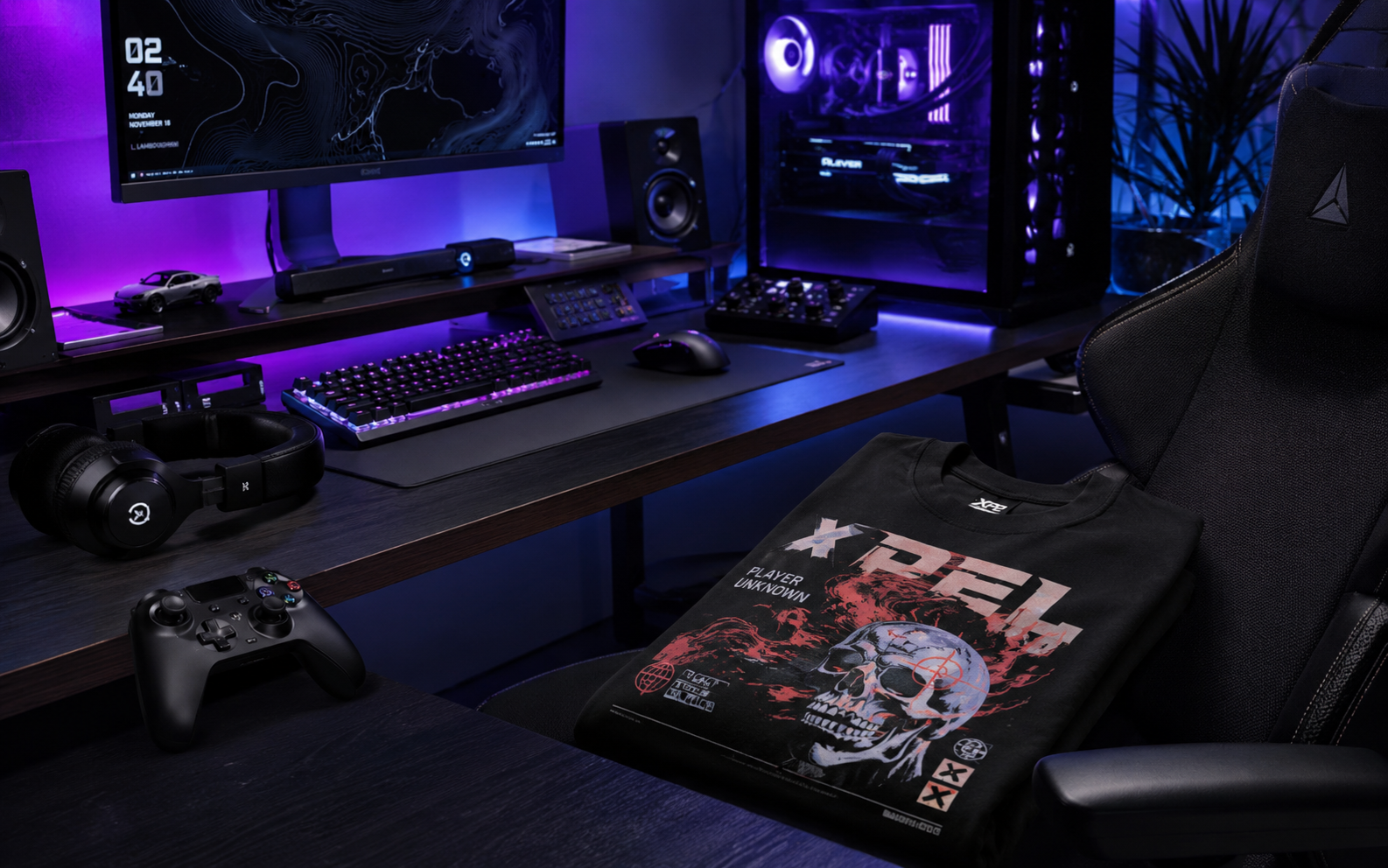
Nowhere is this evolution more visible than in gaming apparel. Five years ago, gaming tees were a punchline. Now they're a legitimate streetwear category, driven partly by the sheer cultural dominance of gaming and partly by brands that finally figured out how to make them well. The transition from cringe to cool happened in the algorithm — gaming content creators wearing well-designed tees normalised the category for millions of viewers.
It helps that the designs have genuinely improved. Look at the gaming collection at Geek T-Shirts and compare it to what was available even three years ago. The designs are more sophisticated, the references more nuanced, the print quality dramatically better. The audience grew up, and the product grew up with them.
Breaking the Bubble
The risk of algorithm-driven fashion is the same as algorithm-driven anything: the bubble. If your feed only shows you one type of tee — say, minimalist Japanese typography because you liked one post six months ago — you never see the wild screen-printed designs from a brand in Nairobi or the hand-drawn illustrations from a studio in Buenos Aires. Your wardrobe becomes a mirror of your filter bubble.
The antidote is deliberate exploration. Follow brands outside your usual aesthetic. Visit physical stores and markets where the algorithm can't pre-filter what you see. Buy the tee that catches your eye for reasons you can't quite articulate. Some of the best graphic tees I own are ones I'd never have clicked on in an ad but picked up at a pop-up because the print quality caught my eye from across the room.
Your algorithm shapes your wardrobe whether you acknowledge it or not. The trick is knowing when to follow it and when to deliberately step outside it. A good t-shirt collection, like a good music library, needs some chaos alongside the curation.