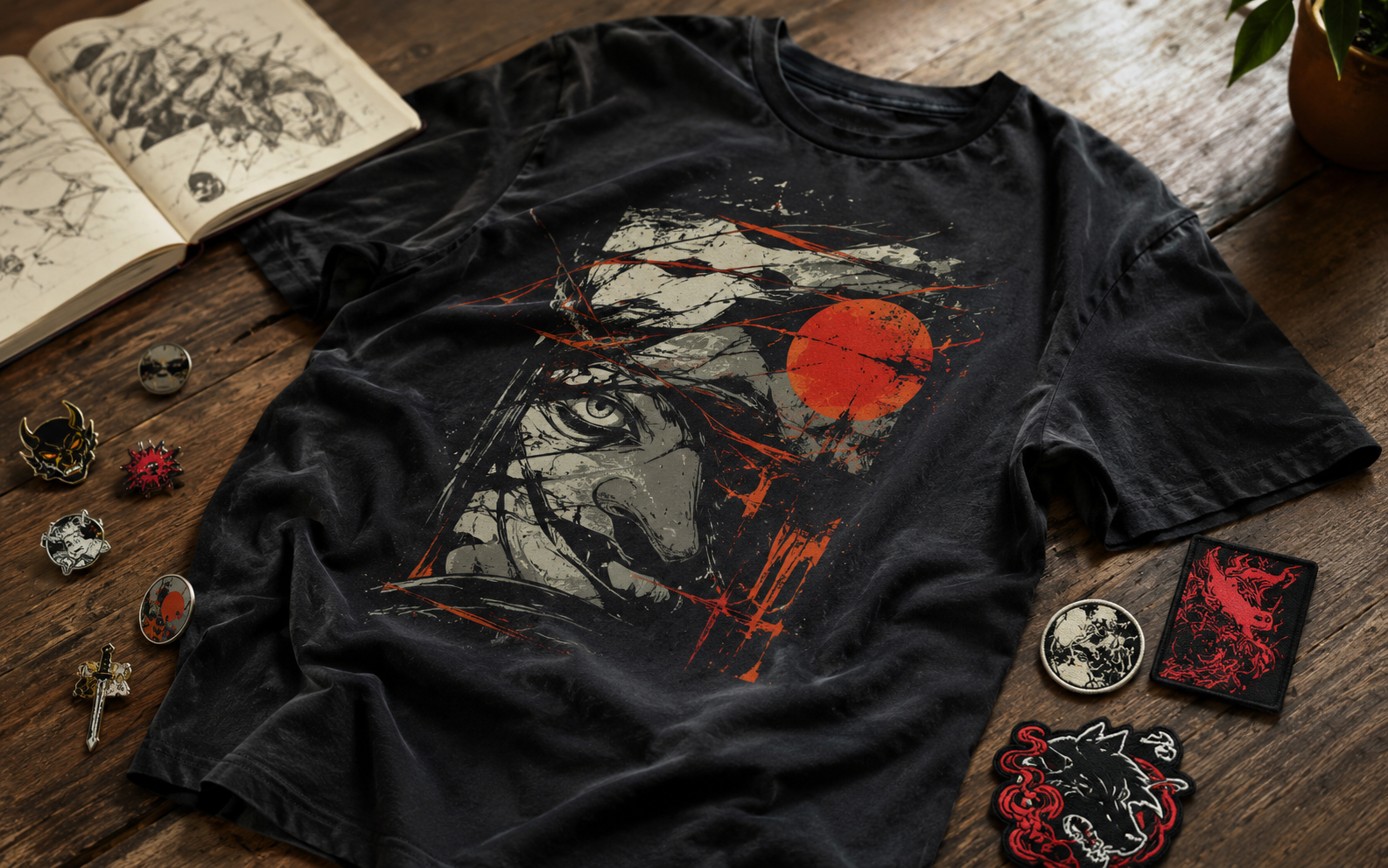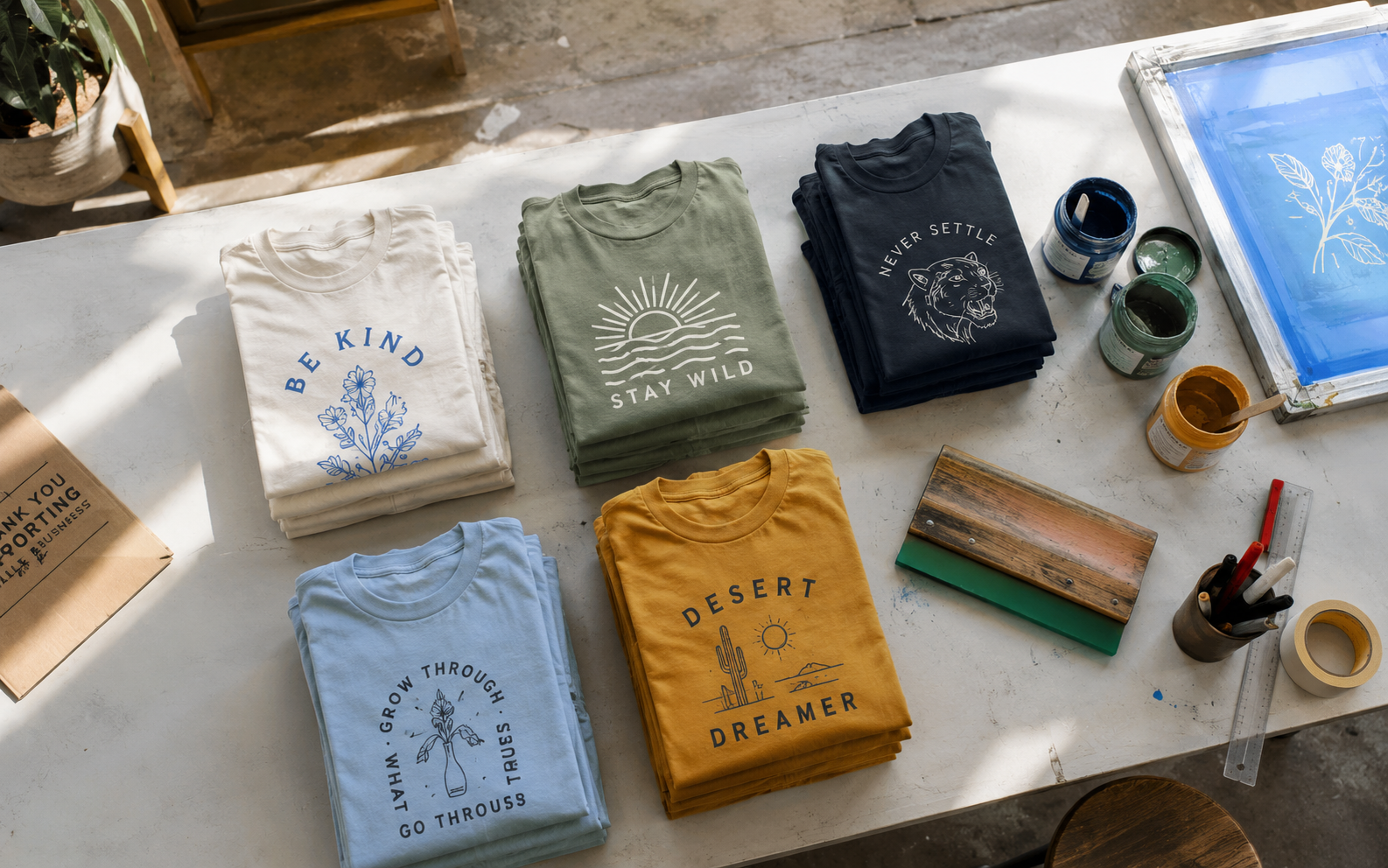
Saturday morning. You open the wardrobe, and without thinking about it, you reach for a graphic tee. Not a polo. Not a button-down. A t-shirt with something printed on it. You've been doing this for years, and so has everyone else. The graphic tee didn't just become popular — it became the default. The garment you put on when you're not performing a role, when you're just being yourself.
This wasn't always the case. There was a time when a printed t-shirt was either sportswear, workwear, or something you wore to a gig. It occupied a specific cultural lane. Now it occupies all of them. The graphic tee is the most versatile, most expressive, and most democratic garment in the modern wardrobe, and its rise to default status tells us something important about how we dress now.
The Casualisation of Everything
Remote work accelerated a trend that was already well underway. When your office is your kitchen table, dress codes evaporate. The graphic tee became the workday uniform for millions of people, and once you've spent three years wearing comfortable, expressive clothing every day, putting on a stiff shirt and chinos for a Saturday feels absurd.
But it goes deeper than just comfort. Casualisation isn't laziness — it's a shift in how people want to present themselves. A well-chosen graphic tee says more about your personality, your interests, and your aesthetic sensibility than a plain Oxford ever could. It's the difference between broadcasting "I have a job" and broadcasting "I have a point of view."
Quality Drove the Shift
The graphic tee couldn't have become default weekend wear if the quality hadn't improved so dramatically. Twenty years ago, a graphic tee meant a thin, boxy garment that lost its shape after five washes and had a print that started cracking by the tenth. You wore it because you liked the design, not because it was a particularly good garment.
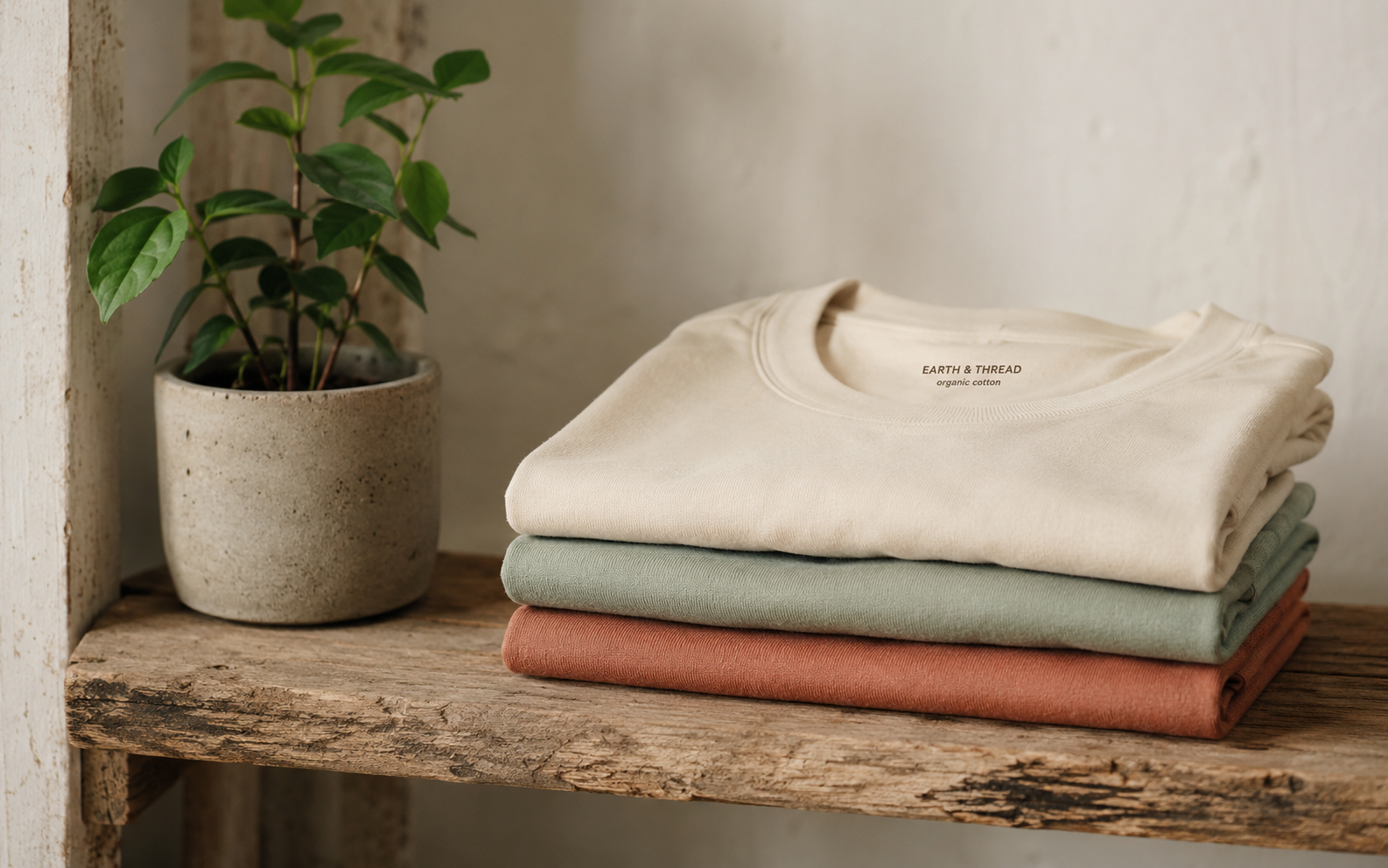
Modern graphic tees are genuinely well-made clothing. Heavy-weight ringspun cotton — 180gsm to 220gsm — with pre-shrunk construction, reinforced shoulder seams, and a contemporary fit that actually flatters the body. Water-based prints that feel like they're part of the fabric rather than glued on top. These are garments that hold up season after season, which matters when you're wearing them three or four times a week.
The Collection as Identity
People don't own one graphic tee. They own twenty, thirty, sometimes more. A graphic tee collection is a curated museum of personal history — gig merch, brand collaborations, indie prints picked up at markets, limited drops that sold out in minutes. Each one marks a moment, a discovery, a phase. Together, they form a more honest autobiography than any social media profile.
This is why the graphic tee became default: it's not just comfortable and expressive, it's cumulative. Every new tee adds to the story. Every worn-out favourite becomes a relic. The weekend uniform isn't really a uniform at all — it's a rotating exhibition of everything you care about, printed on cotton and worn against your skin.
The graphic tee became default because it earned it. Better design, better quality, better cultural relevance. It's the garment that finally made fashion personal — not in the designer-label sense, but in the "this is who I actually am" sense. And that's why, next Saturday morning, you'll reach for one without thinking. Again.