Fast fashion had a good run. For two decades, the model was simple: spot a trend, copy it in 48 hours, print it on the cheapest blank available, and flood every market on earth. For graphic tees, that meant stolen designs, razor-thin fabrics, and prints that started peeling before you got home from the shop.
But something shifted. The independent print brands — the ones running small batches out of converted warehouses, selling direct through Instagram and their own sites — started winning. Not in volume, obviously. In everything else.
The Quality Gap Is Real
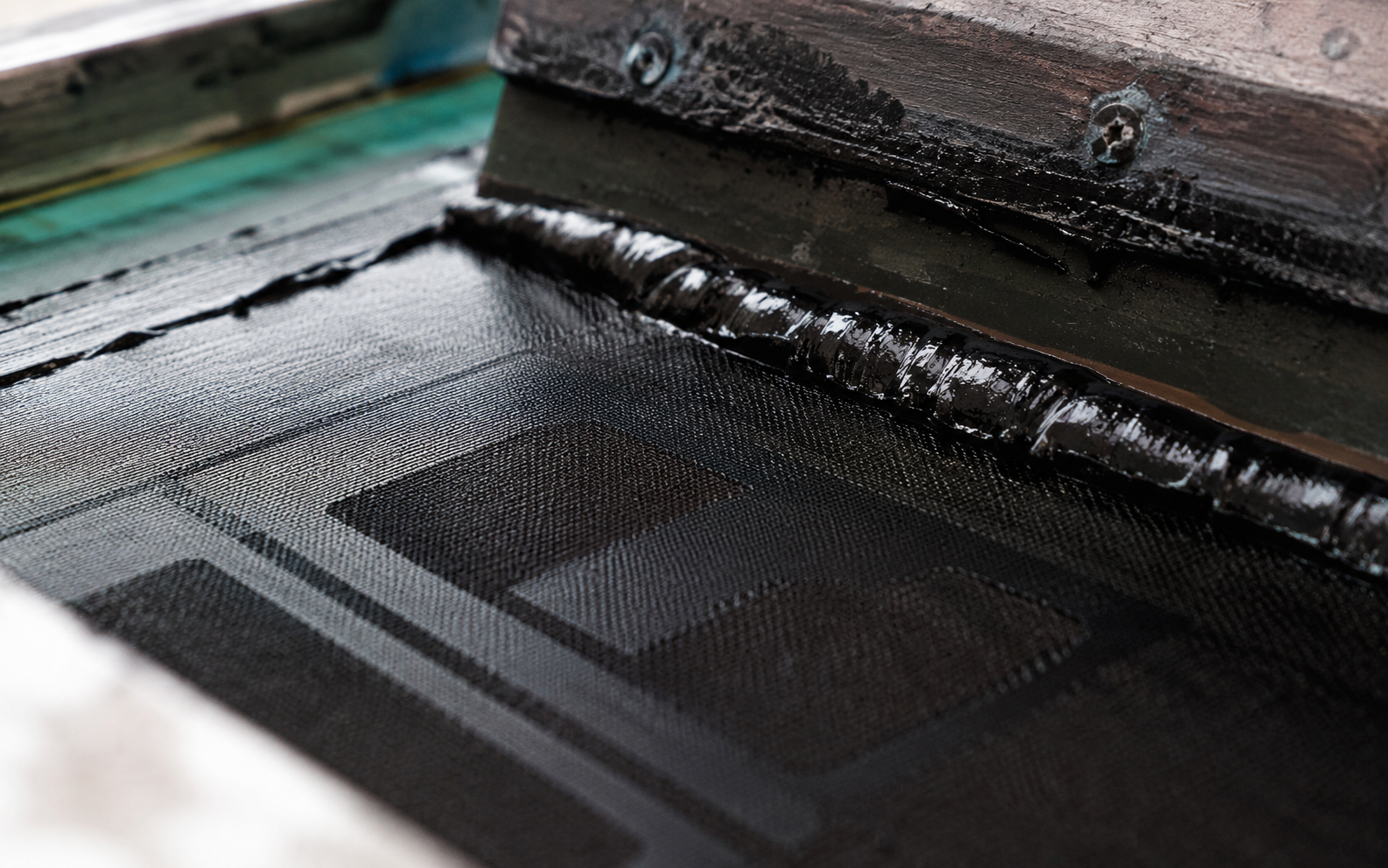
Pick up a fast-fashion graphic tee and a well-made indie one. The difference is immediate. Fabric weight is the first tell — you can feel the difference between a 130gsm race-to-the-bottom blank and a 200gsm combed cotton that actually drapes properly. Then there's the print itself. Indie brands tend to use water-based screen printing that sits in the fabric rather than on top of it. Fast fashion uses plastisol transfers that crack and fade because speed matters more than durability.
As Business of Fashion has documented extensively, the economics of fast fashion depend on disposability. Buy it, wear it three times, bin it. The indie model inverts that entirely: higher price point, better product, longer relationship with the customer.
Culture Can't Be Mass-Produced
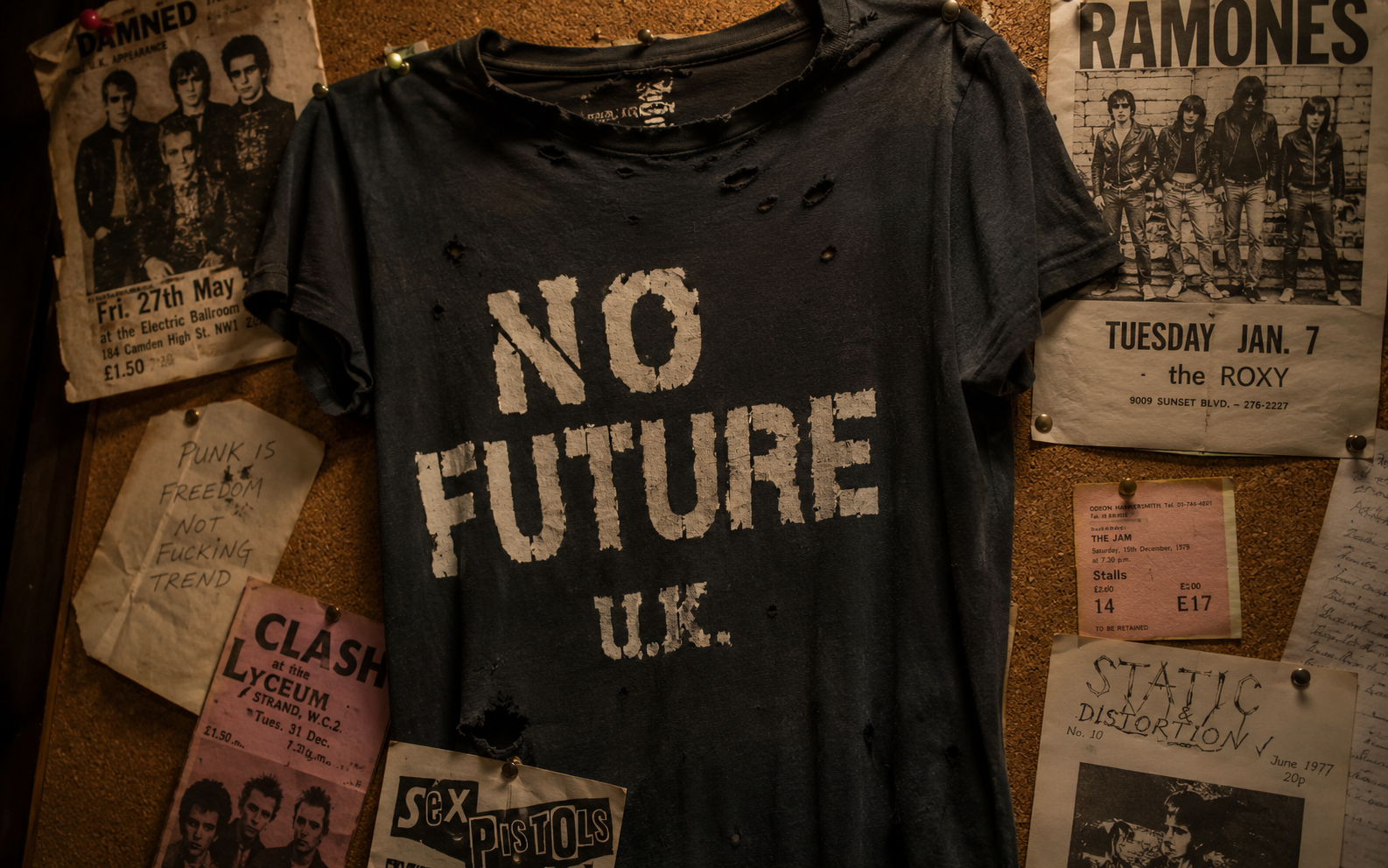
The real advantage indie brands hold is cultural authenticity. When a small brand in Sheffield prints a tee referencing a local music scene, or a Tokyo-based label creates designs rooted in otaku culture, that specificity is the product. You can't replicate it in a boardroom in Stockholm and ship it globally. The context is baked into the design.
Fast fashion brands try to approximate this by hiring trend forecasters and scraping social media, but the results always feel hollow. There's a flatness to a design that was created to capture a trend rather than express something genuine. Customers can tell the difference, especially the ones who care enough about graphic tees to seek out independent brands in the first place.
Direct-to-Consumer Changes Everything
The economics work because indie brands don't need retail margins. Selling direct through Shopify or their own sites means they keep 70-80% of the sale price instead of 30%. That margin difference funds better blanks, better printing, better design. A brand running 200-unit drops can afford to use premium Gildan Hammer or AS Colour blanks when they're not giving half the revenue to a department store.
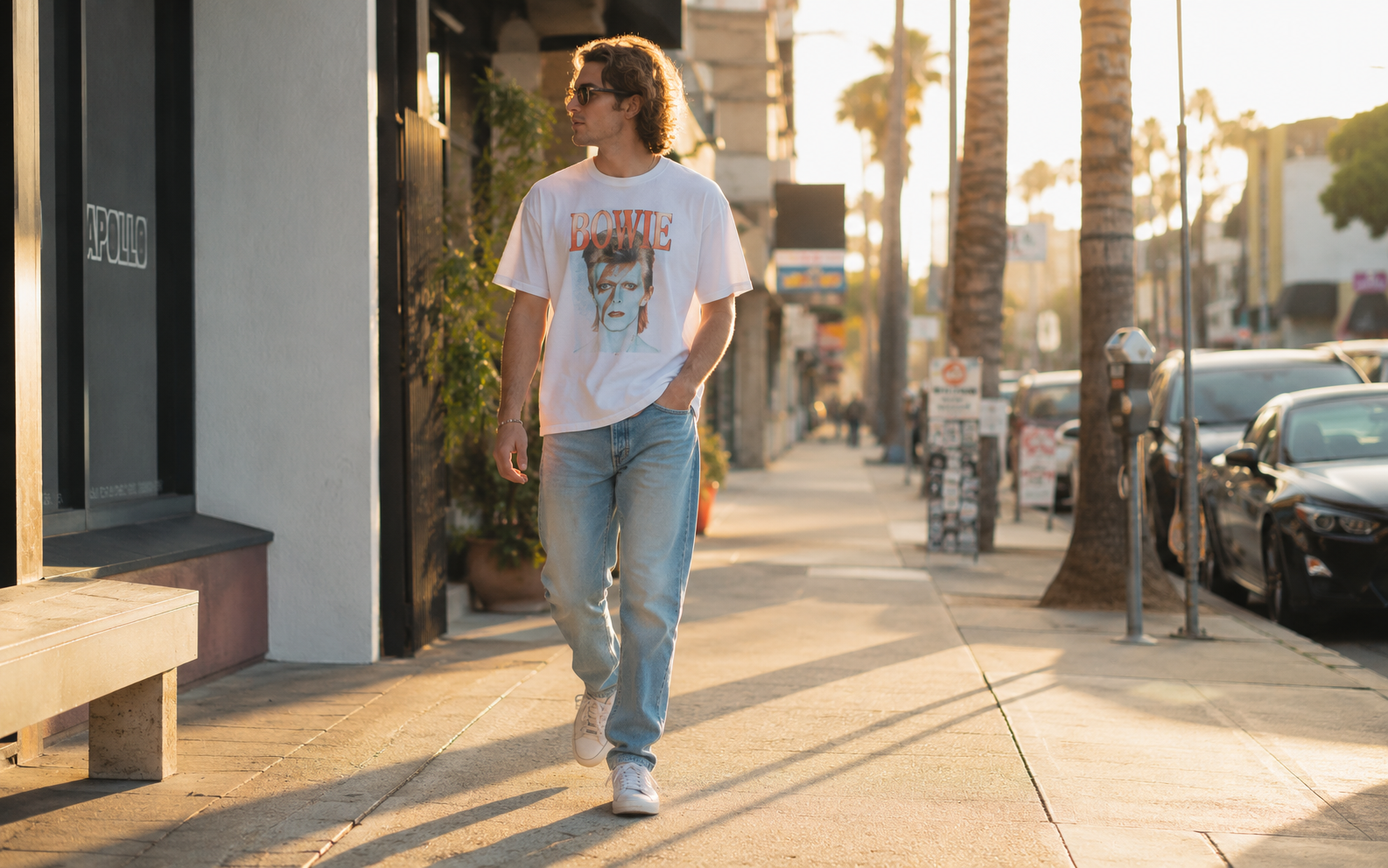
Social media handles the marketing. A well-shot photo of a new drop, posted by someone who genuinely wears the product, outperforms any fast-fashion ad campaign. The engagement is real because the audience is real — people who care about print quality, design integrity, and supporting independent creators.
The indie print revolution isn't a trend. It's a structural shift in how graphic tees get made, sold, and valued. And fast fashion still hasn't figured out how to compete with something that was never about scale in the first place.